
On 11 August 2026, the President of Ukraine signed a decree establishing Chornyi Lis National Nature Park in Kirovohrad Oblast. This decision marks not only a new beginning, but also the logical conclusion of a story that has lasted exactly one hundred years.
As early as 1926, scientists argued for the protection of the Chornyi Lis and Chutivskyi forest areas. At the time, however, the initiative was halted by political repression. Those who advocated for the creation of a national park were executed on charges including “expecting the return of the tsar” and “preserving landlords’ forests.” Yet despite these tragic circumstances, the idea of protecting this forest area did not disappear.
In 2023, the Kirovohrad Regional Military Administration officially commissioned the Ukrainian Nature Conservation Group to prepare the scientific justification for establishing the national park. Together with our colleagues, our team surveyed the area, prepared the scientific justification, and went through a lengthy approval process. This work would not have been possible without specialists from the Institutes of Zoology and Botany of the National Academy of Sciences of Ukraine, as well as Cherkasy and Kherson universities.
In 2025, an important field meeting took place with the participation of the leadership of the State Agency of Forest Resources of Ukraine, including its then head Viktor Smal, the Kirovohrad Regional Military Administration, and representatives of the conservation community. It was then that Chornyi Lis could be seen not just on a map, but in person — together with its natural and historical value. The next step was to develop the proposal for establishing the national park and obtain approval from all relevant higher executive authorities. Tetyana Tymochenko, Head of the All-Ukrainian Environmental League, played a particularly important role in this work. All government authorities provided their approval, while the project itself was developed without any dedicated funding.
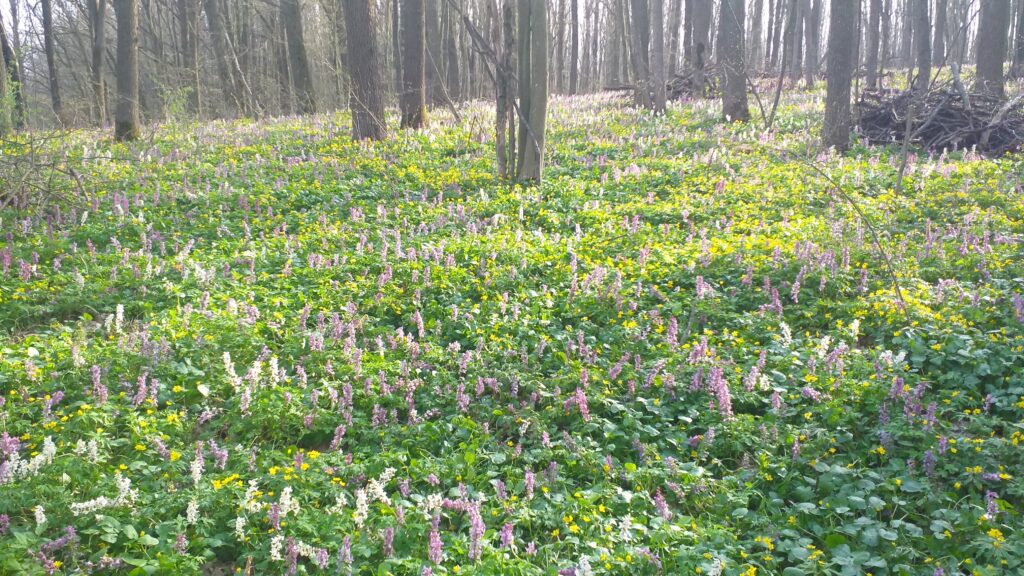
And now, the Presidential decree has been signed. Chornyi Lis National Nature Park covers 13,710.2441 hectares of state- and municipally owned land. It includes the Chornyi Lis and Chutivskyi forest areas, meadow sites in the headwaters of the Inhulets River, and part of the Bokovenkivskyi Regional Landscape Park.
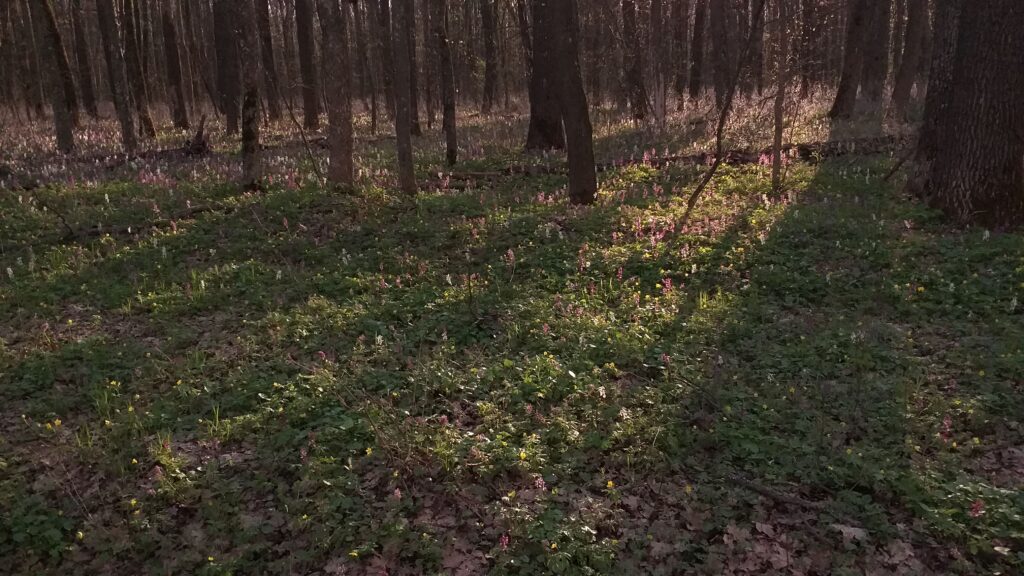
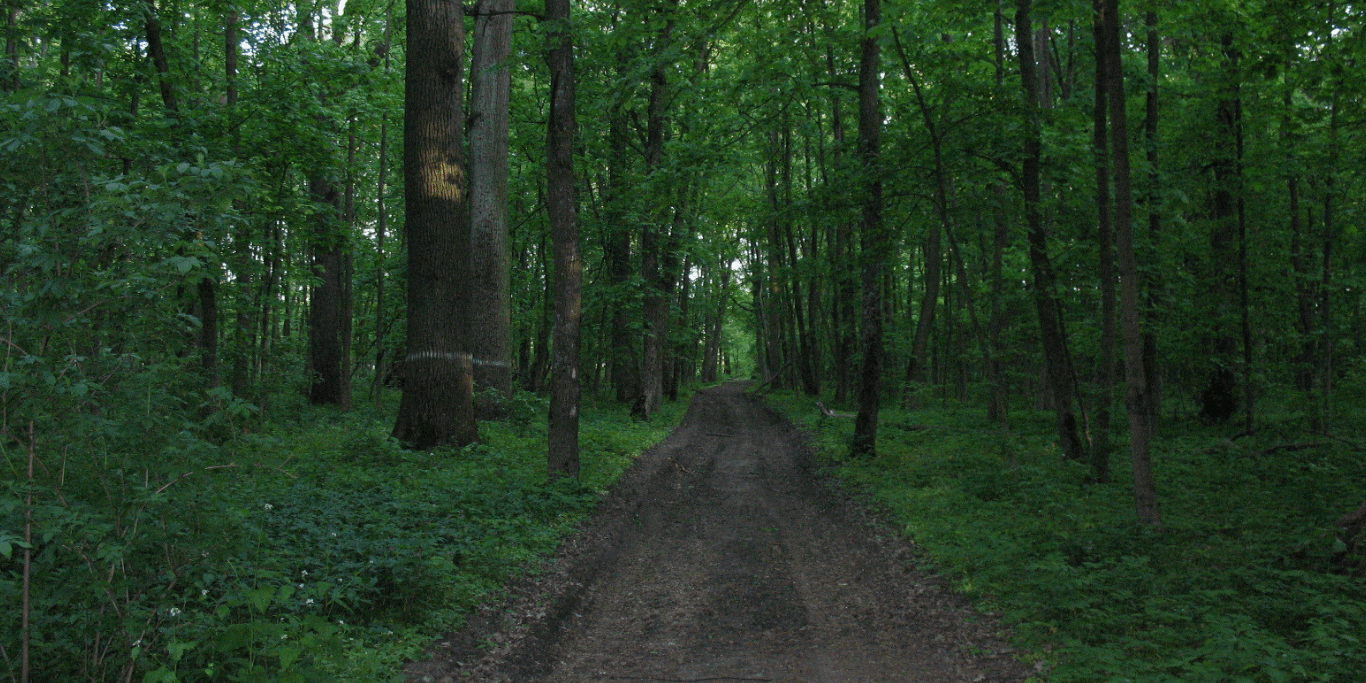
The area is home to old-growth trees, numerous rare species, and one of Ukraine’s southernmost large expanses of broadleaf forest — quite literally, a forest on the edge of the steppe. The Chornyi Lis and Chutivskyi forest areas are among the largest natural broadleaf forests at the southern limit of their distribution in Eastern Europe.
At the same time, Chornyi Lis is about more than nature. It is also a place of Ukrainian resistance. A national liberation struggle took place here, while resistance to Soviet rule continued for many years after its establishment. Protecting Chornyi Lis also means preserving the memory of the people who fought for Ukraine. That makes it particularly important that the park has received its historical name — Chornyi Lis (“Black Forest”), recalling its heroic past.
One hundred years ago, this territory was meant to become protected. It took one hundred years for that idea to finally become a reality.
We thank everyone who helped bring this work to completion. Special thanks to Tetyana Tymochenko, Yuliia Ovchynnykova, and Viktor Smal. We are grateful to all the authors of the scientific justification and to everyone who has worked on establishing the park over the past years: Ivan Moisiienko, Oleksandr Khodosovtsev, Anna Kuzemko, Roman Lysenko, Oleksandr Shynder, Viktor Skorobohatov, Vasyl Shevchyk, Oleksandr Spriahailo, Ihor Balashov, Viktor Parkhomenko, Serhii Shaida — a scientist and service member who continued his work while undergoing rehabilitation after being wounded — Oleksii Vasiliuk, and Petro Tiestov.
Our work does not end here. We will continue working to expand Ukraine’s network of protected areas.
Chornyi Lis also has much work ahead — from organizing effective protection to developing plans for its management and nature conservation.
We wish strength and inspiration to everyone who will work in the new national nature park. And we will continue doing everything we can to make stories with a happy ending like this one more common in Ukraine.