
International environmental negotiations are about more than protecting rare species and ecosystems. They are where countries agree on shared commitments, set global priorities, and influence how the world responds to environmental threats.
For Ukraine, participation in these processes is particularly important. Russia uses environmental issues to whitewash its international image and justify the occupation of Ukrainian territories. That is why it is essential not only to inform the world about the consequences of the war for nature, but also to directly challenge Russian disinformation and manipulation.
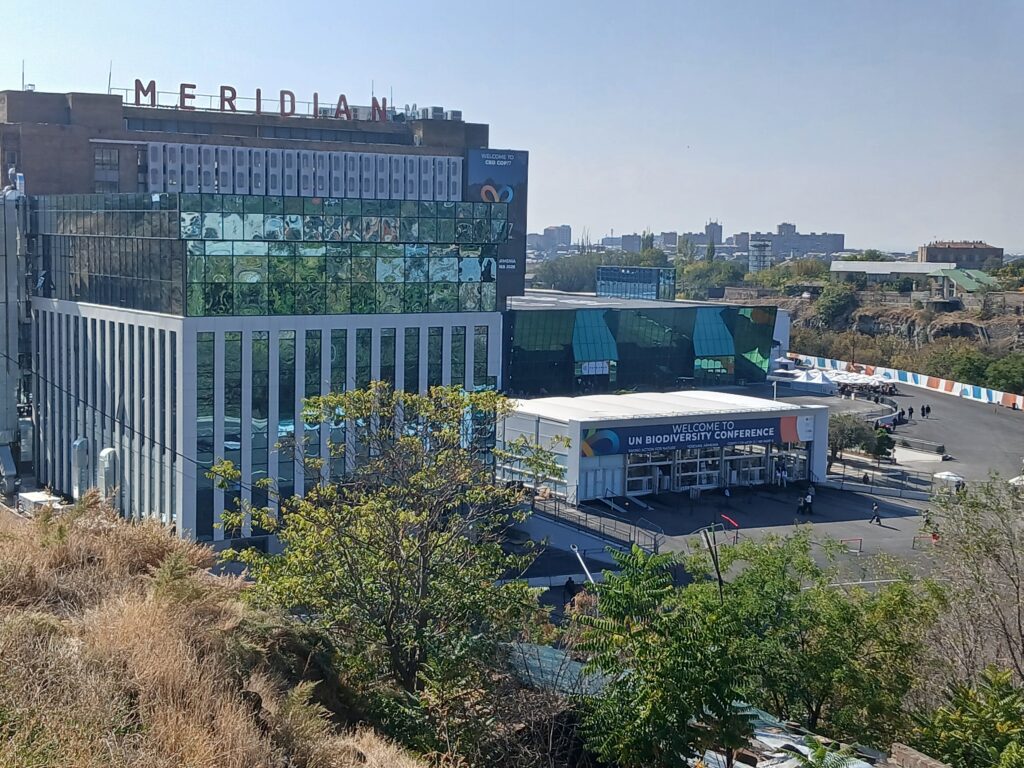
In October 2026, the Ukrainian Nature Conservation Group (UNCG) took part in the 17th Conference of the Parties to the UN Convention on Biological Diversity (COP17) in Yerevan. The organisation worked with international partners and hosted a side event on biodiversity conservation during wartime and recovery after armed conflicts. UNCG Head Oleksii Vasyliuk explains why this work matters.
Why International Environmental Platforms Matter for Ukraine
Ukraine is a party to ten international environmental conventions. One of the key agreements is the UN Convention on Biological Diversity, which establishes common approaches to nature conservation. International agreements help countries coordinate their priorities, particularly when it comes to species and ecosystems that require special attention.
— People often think that the world’s most valuable wildlife is somewhere far away — in the Amazon, Madagascar, or other countries in the equatorial belt. What we have here seems ordinary by comparison. But international conservation statuses and standards show that the nature right outside our windows can be just as valuable as that of the Amazon or Madagascar, says Oleksii Vasyliuk.
Participation in international processes is also essential for defending Ukraine’s interests. Russia seeks to portray itself as a country that protects nature, even in occupied territories, while accusing Ukraine of failing to safeguard the environment.
— The Russian Federation makes very active use of these platforms to create the impression that Russia is doing a good job of protecting nature, including in Crimea and Donbas, while Ukraine is not. They try to present Russia to other countries, which are often not very familiar with the situation here, as a responsible and competent actor in nature conservation, says Oleksii Vasyliuk.
 UNCG is a member of the International Union for Conservation of Nature (IUCN) and holds observer status under the UN Convention on Biological Diversity. These platforms allow Ukrainian experts to present their positions, participate in discussions, and respond to false claims.
— If Ukrainian representatives are absent from events where we need to respond to the aggressor’s false statements, we will lose ground. Russia will use every opportunity to present itself in a better light, the conservationist explains.
According to Vasyliuk, during the 2025 IUCN World Conservation Congress, Ukrainian representatives successfully countered Russia’s attempt to have its status within the organisation reviewed and the impact of sanctions weakened. This experience confirmed that the presence of Ukrainian experts is important not only for exchanging knowledge and experience, but also for countering political manipulation.
COP17: From Raising Awareness of War’s Impact to Joint Action
At COP17 in Yerevan, UNCG worked alongside the official Ukrainian delegation. The organisation’s representatives highlighted the damage caused by Russian aggression to protected areas, including the consequences of the destruction of the Kakhovka Dam.
— We spoke about the impact of the full-scale invasion on Ukraine’s protected areas and the unprecedented case of ecocide associated with the destruction of the Kakhovka Dam. We also took part in various discussions. It was very important to us that Ukraine’s voice was heard, says Oleksii Vasyliuk.
According to him, Ukrainian representatives were welcomed with applause, and one of the sessions opened with the words “Glory to Ukraine!”
— But what matters most is not the impression we made. What matters most is that we have learned how to communicate to other countries what is actually happening to nature in Ukraine, the conservationist notes.
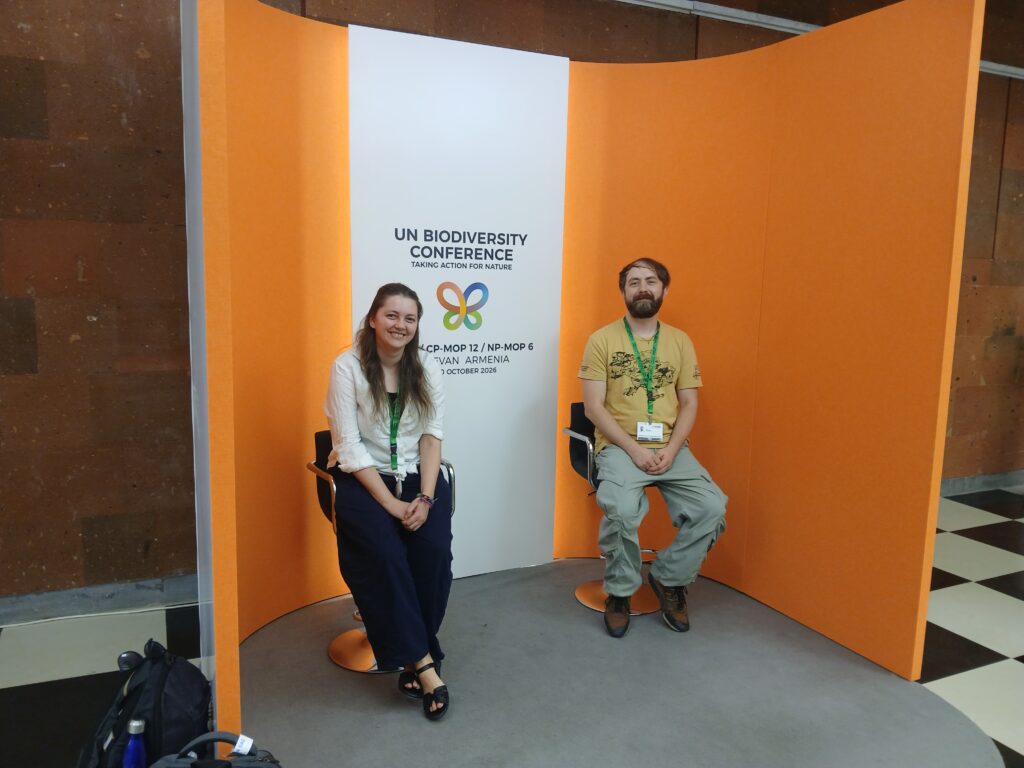
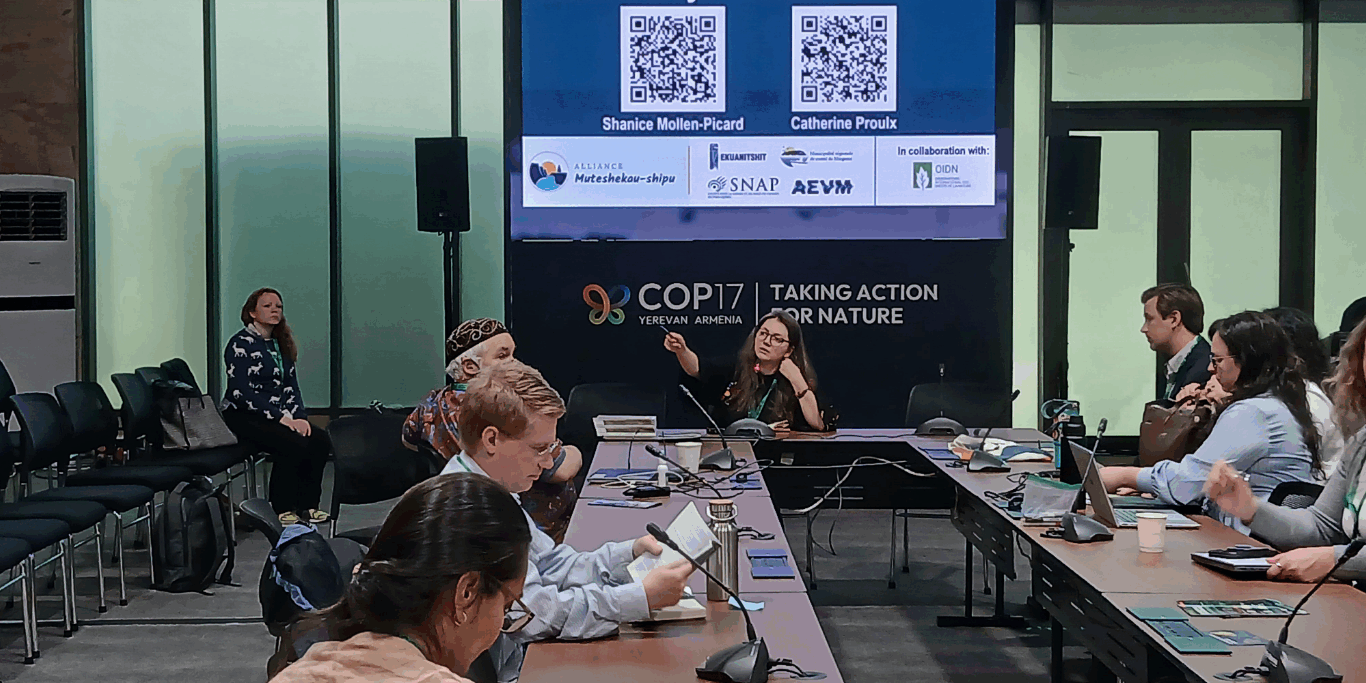
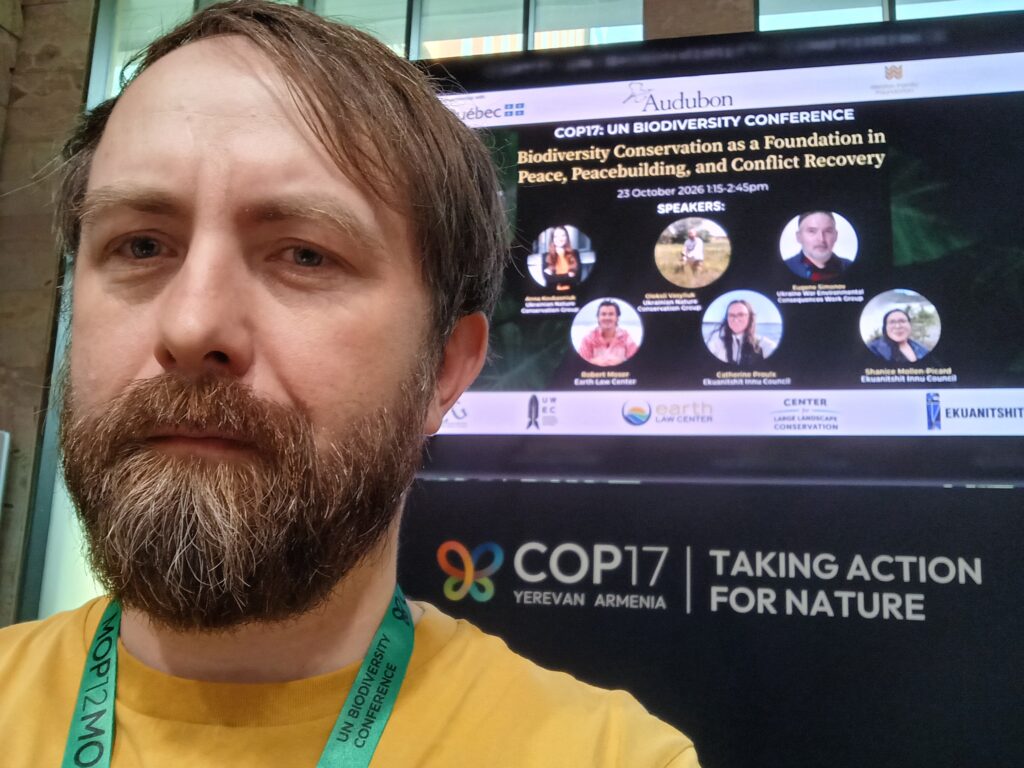
One of the key events for UNCG was the side event “Biodiversity Conservation as a Foundation in Peace, Peacebuilding, and Conflict Recovery”, held on 23 October 2026.
It was co-organised by UNCG, Earth Law Center, the Center for Large Landscape Conservation, the Ekuanitshit Innu Council, and the Ukraine War Environmental Consequences Work Group. The official Ukrainian delegation also took part. Participants discussed how nature conservation can be incorporated into peacebuilding efforts and the recovery of territories following armed conflicts.
Particular attention was paid to the Kakhovka disaster. The destruction of the dam fundamentally transformed the region’s ecosystems, while natural recovery began across the former reservoir bed, including the development of floodplain forests. This process has become an important example of how nature responds and changes after large-scale destruction.
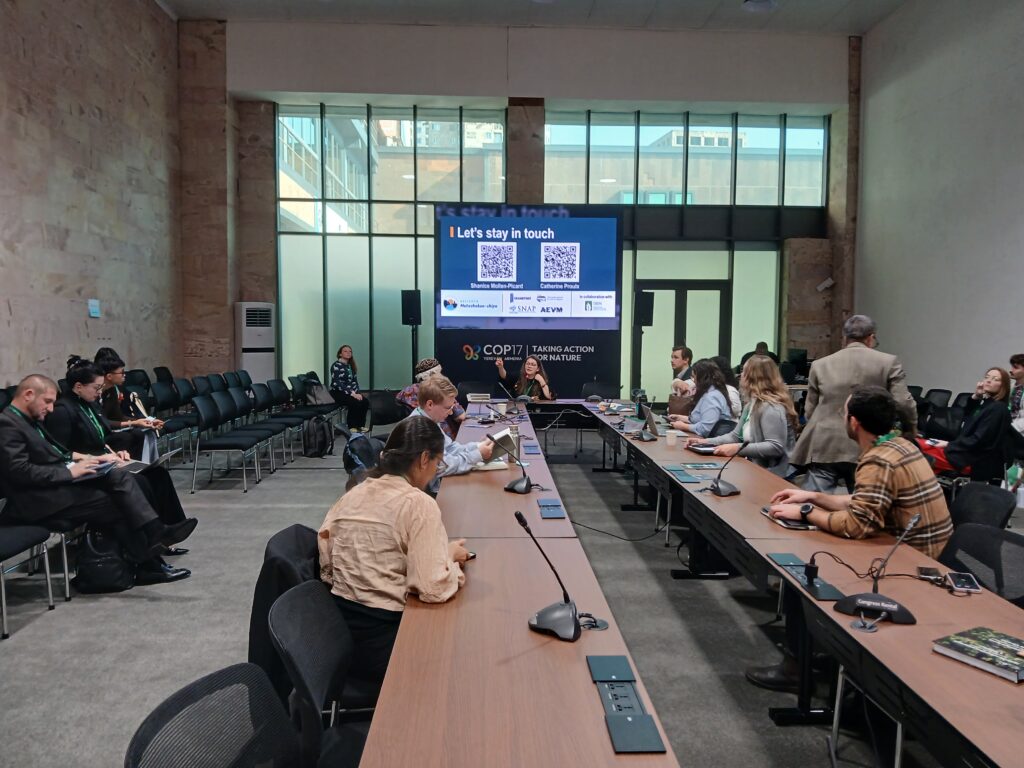 Participants also discussed protected areas that cannot be adequately studied or conserved because of occupation, landmines, or restricted access for specialists. Another topic was the rights of rivers and the rights of nature — legal approaches that can strengthen environmental protection.
— We held a dedicated session on Kakhovka together with our American partners. People from many countries around the world attended. They were interested in the topic and actively joined the discussion. Our adversaries did not have the resources to organise a counter-session against Ukraine to spread half-truths or provocations, says Oleksii Vasyliuk.
Ukrainian conservation achievements were also highlighted during other COP17 sessions, including the country’s work on the Emerald Network. This means Ukraine’s participation was not limited to reporting on environmental destruction: it also involved presenting the country’s achievements in nature conservation.
What This Participation Achieves
International environmental platforms help Ukraine communicate the facts about the consequences of the war, build partnerships, and influence decisions related to biodiversity conservation. At the same time, they provide an opportunity to ensure that Russian manipulation does not go unanswered.
— Russia operates extensively across many different fields, and its influence needs to be countered in every one of them. We now have an opportunity to challenge its narratives in the field of nature conservation. It would be strange not to make use of it. Even actions, statements, and presentations that may seem insignificant on our part become real obstacles for Russia when it tries to create an image of a country that supposedly cares about nature, Oleksii Vasyliuk concludes.