
How can Ukrainian conservationists influence global decisions? Through IUCN expert commissions. We are continuing our series of posts about IUCN, and today we are focusing on an important practical question.
International nature conservation is about more than conferences and exchanging experience. A significant part of this work takes place within the expert commissions of the International Union for Conservation of Nature (IUCN), where specialists from different countries work together on assessments, recommendations, standards, and approaches that shape nature conservation worldwide.
This is where threats to species are assessed, approaches to ecosystem and protected area management are developed, environmental legislation is improved, and solutions to the climate crisis are explored.
For Ukrainian experts, these commissions offer an opportunity not only to share their experience but also to contribute directly to shaping international conservation policies and practices.
For example, zoologist Mykhailo Rusin is a member of the Small Mammal Specialist Group within the IUCN Species Survival Commission (SSC). He studies rare mammals in Ukraine and has contributed to assessing the conservation status of the European hamster. In 2020, the species was classified as **Critically Endangered** on the IUCN Red List.
This is an example of how the work of individual researchers becomes part of an international assessment of biodiversity.
What areas of expertise do IUCN commissions cover?
There are seven commissions in total, each focusing on a specific set of conservation issues:
🔹 Commission on Education and Communication (CEC) — works to transform people’s attitudes and behaviours through education, communication, and knowledge sharing.
🔹 Commission on Ecosystem Management (CEM) — develops ecosystem-based approaches to managing terrestrial and marine landscapes. Its areas of work include agroecosystems, biosphere reserves, and ecosystem assessments.
🔹 Commission on Environmental, Economic and Social Policy (CEESP) — works at the intersection of nature conservation, social and economic policy, cultural issues, and the equitable governance of natural resources.
🔹 Species Survival Commission (SSC) — brings together specialists who assess the status of species, investigate threats to their survival, and develop approaches to biodiversity conservation.
🔹 World Commission on Environmental Law (WCEL) — promotes the development of environmental law and legal mechanisms for nature conservation.
🔹 World Commission on Protected Areas (WCPA) — develops science-based recommendations, standards, and methodologies for establishing and effectively managing protected areas.
🔹 Commission on Climate Action (CAC) — works on effective, equitable, and nature-based solutions to the climate crisis.
How can you join a commission?
You do not have to represent an IUCN member organisation to get involved. Individual experts whose experience matches a commission’s areas of work can also apply.
In general, the process involves registering on the IUCN portal, completing a professional profile, and submitting an application to the chosen commission. For some areas of expertise, applicants may also need to contact the head of the relevant specialist group or demonstrate relevant academic qualifications or substantial practical experience.
Commission membership involves voluntary work, including participation in thematic and working groups, preparing materials, sharing expertise, and collaborating with international colleagues.
🔗 Learn more about the commissions and apply for membership:
https://iucn.org/our-union/expert-commissions/become-iucn-commission-member
🔗 IUCN Commissions Membership Portal:
https://portals.iucn.org/commissions/
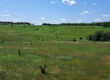
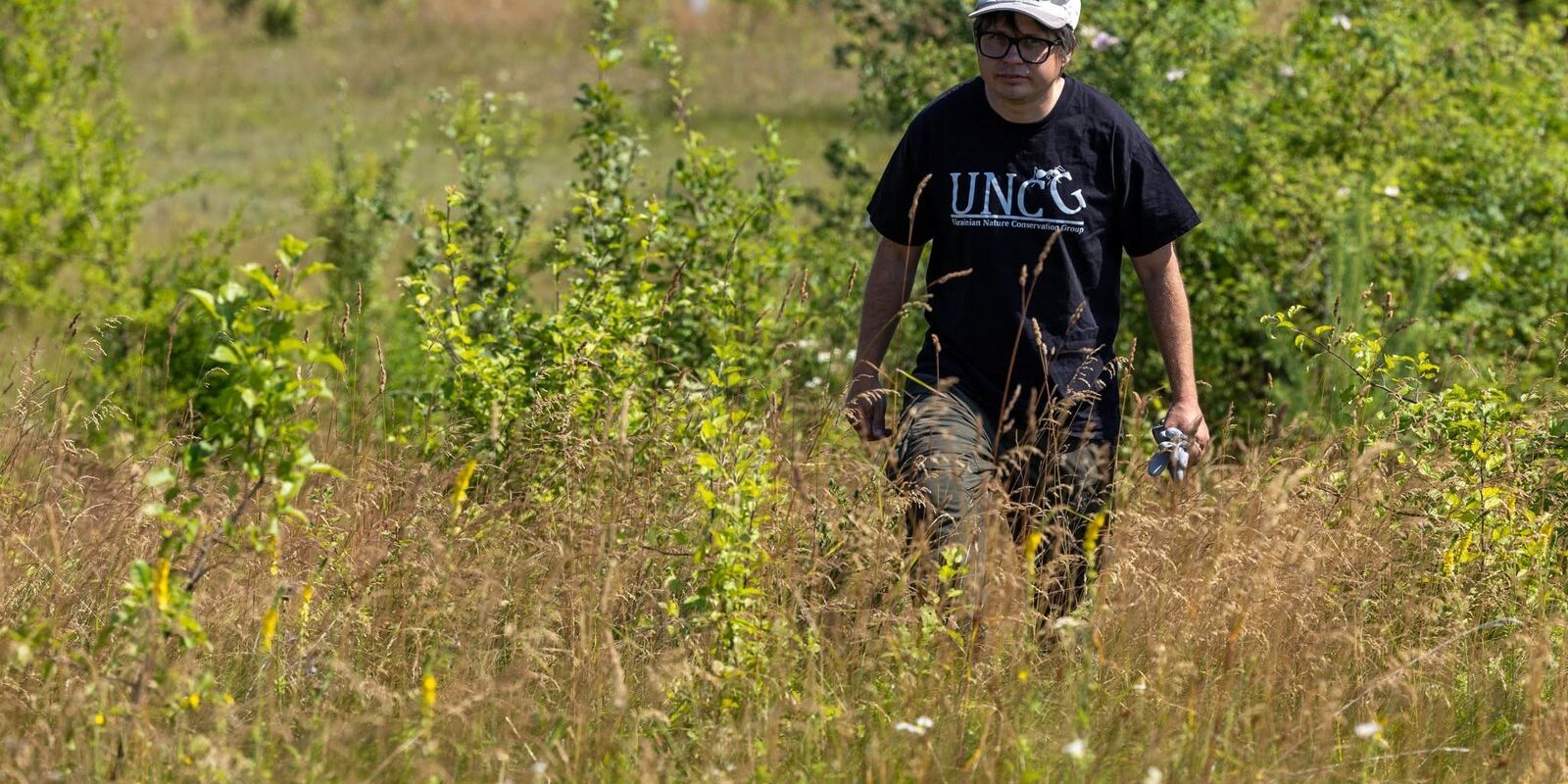
Photo: Mykhailo Rusin during fieldwork