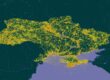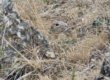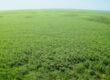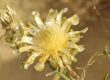

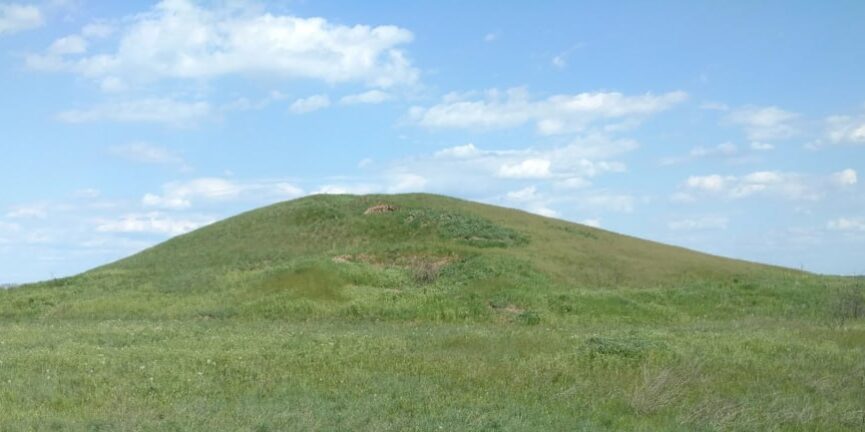
The nature of the Kherson Region suffers from the impacts of war every day. Shelling, fires, military fortifications, and the destruction of the Kakhovka Reservoir have caused enormous damage to the region’s steppes, meadows, forests, and other ecosystems. Under the conditions of occupation and ongoing hostilities, meaningful ecosystem restoration is currently impossible. Therefore, expanding the protected area network is becoming especially important as a way to preserve what still remains.
Professor of Kherson State University Ivan Moisiienko notes:
“The war has inflicted enormous losses on the nature of the Kherson Region: ecosystems have been damaged, landscapes destroyed, and natural processes disrupted. Moreover, the destruction continues because the war continues. Under these circumstances, the establishment of new protected areas is one of the few practical tools available to preserve the remnants of the wild nature that still remain.”
On 23 June 2026, the Head of the Kherson Regional Military Administration, Oleksandr Prokudin, signed Decrees No. 239 and 240 establishing five new protected areas.
Four local botanical natural monuments were established in the Beryslav Territorial Community to protect quasi-pristine steppe and rare plant species:
- “Tavanska Storozha Kurgan”
- “Shyrbskyi Dozor Kurgan”
- “Dzhyzyl Velykyi Kurgan”
- “Dzhyzyl Malyi Kurgan”
A local botanical reserve, “Karl Falz-Fein’s Ivanivka Economy”, covering more than 294 hectares, was also established near the villages of Nova Kuban and Sahaidachne in the Borozenske Territorial Community.
The scientific justifications were prepared by Professors Ivan Moisiienko and Oleksandr Khodosovtsev of Kherson State University, active members of the Ukrainian Nature Conservation Group.
We sincerely thank the Kherson Regional Military Administration, especially Olha Filina and Nataliia Savchenko of the Department of Environmental Protection and Natural Resources, for initiating and supporting the establishment of these protected areas.
Special thanks to Serhii Diachenko, now serving in the Armed Forces of Ukraine, for proposing historically well-founded names for these sites.
We also thank the Beryslav and Borozenske communities, which continue to care for nature conservation despite the war.