
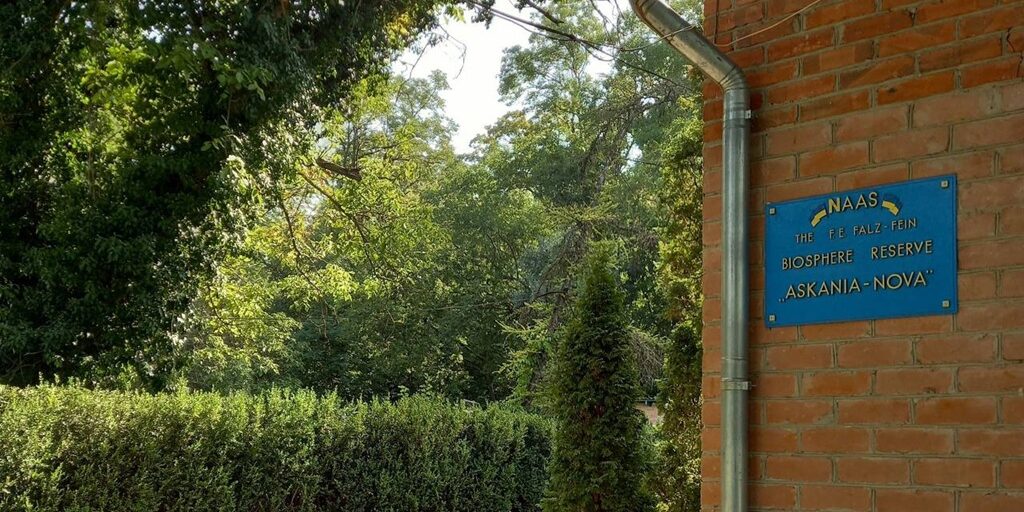
In 2022, when the Askania-Nova Biosphere Reserve came under occupation within the first hours of Russia’s full-scale invasion, many believed that supporting it no longer made sense.
The territory was inaccessible, and its future was uncertain. However, thousands of people in Ukraine and abroad chose differently.
Thanks to charitable donations, the reserve’s team was able to continue operating autonomously under occupation for 13 months. This support was critically important because maintaining Askania-Nova is an exceptionally complex and costly conservation task. The reserve uniquely combines natural steppe ecosystems with man-made facilities, including a zoological park and an arboretum. These require daily care and constant hands-on work. This includes not only basic necessities such as animal feed or water for irrigating trees in the dry steppe, but also urgent veterinary care, plant health protection, stockpiling hay and grain, routine maintenance of buildings and enclosures, fuel and spare parts for maintenance equipment, security, and fire protection.
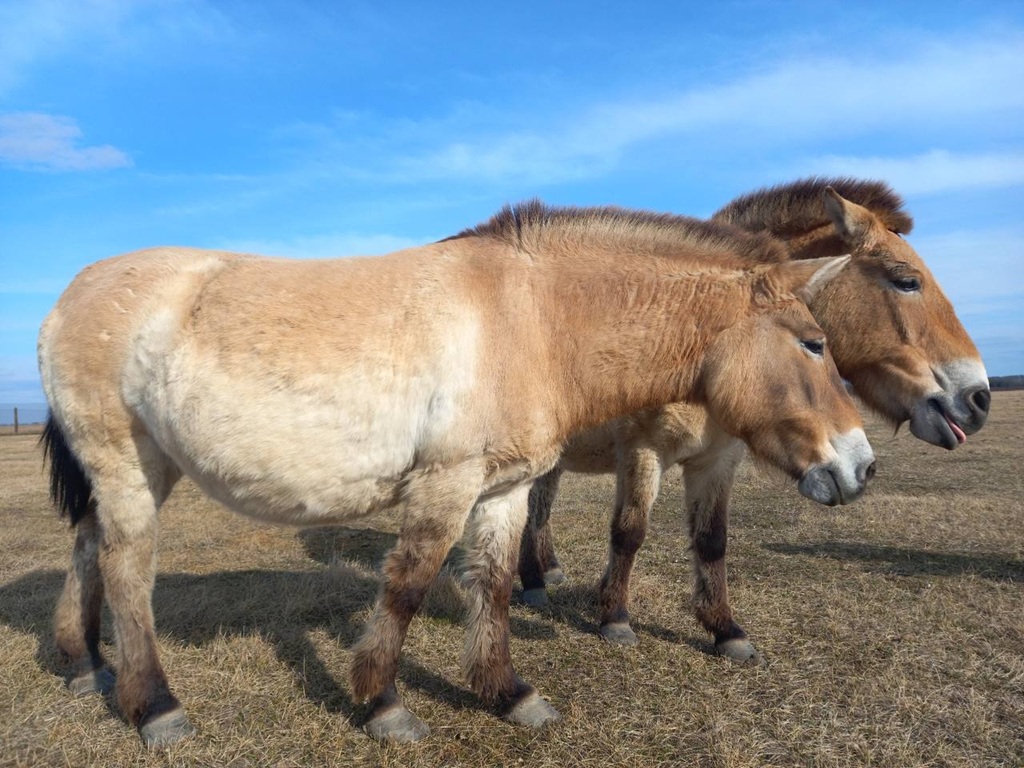
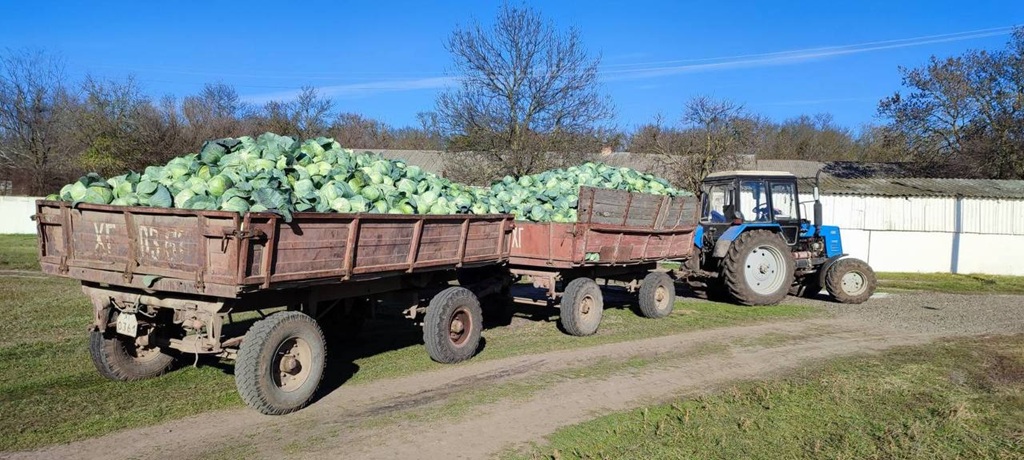
All of this was sustained during the first 13 months of Askania-Nova’s occupation. It was a vital mission to preserve collections that are part of Ukraine’s national heritage and the world’s natural, historical, and cultural heritage. At the same time, the reserve’s prolonged autonomous operation on temporarily occupied territory prevented Russian propaganda from portraying it as an abandoned institution that had supposedly been “saved” by the occupation authorities. Only after the Russian occupation administration installed its own management did it become impossible for the Ukrainian administration to continue its work, forcing many employees to leave both the occupied reserve and the temporarily occupied community.
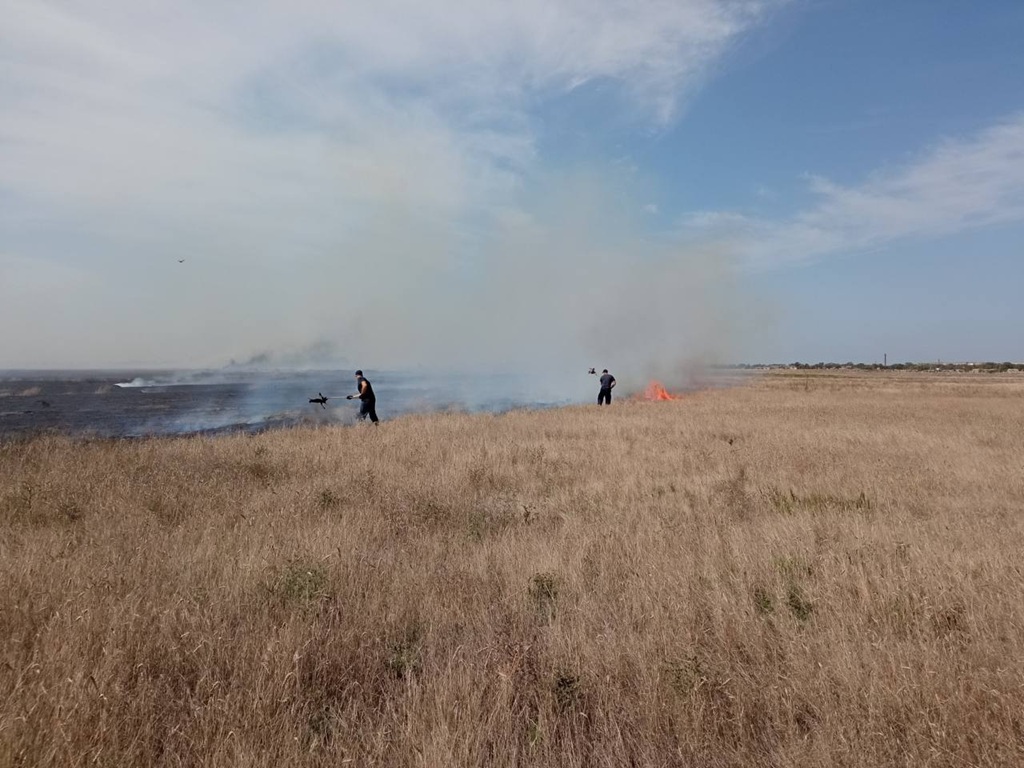
But this was not the end of the story. Today we can see that the support provided at that time was not in vain. The reserve survived its most difficult months and, despite the occupation, remains an exceptionally valuable institution.
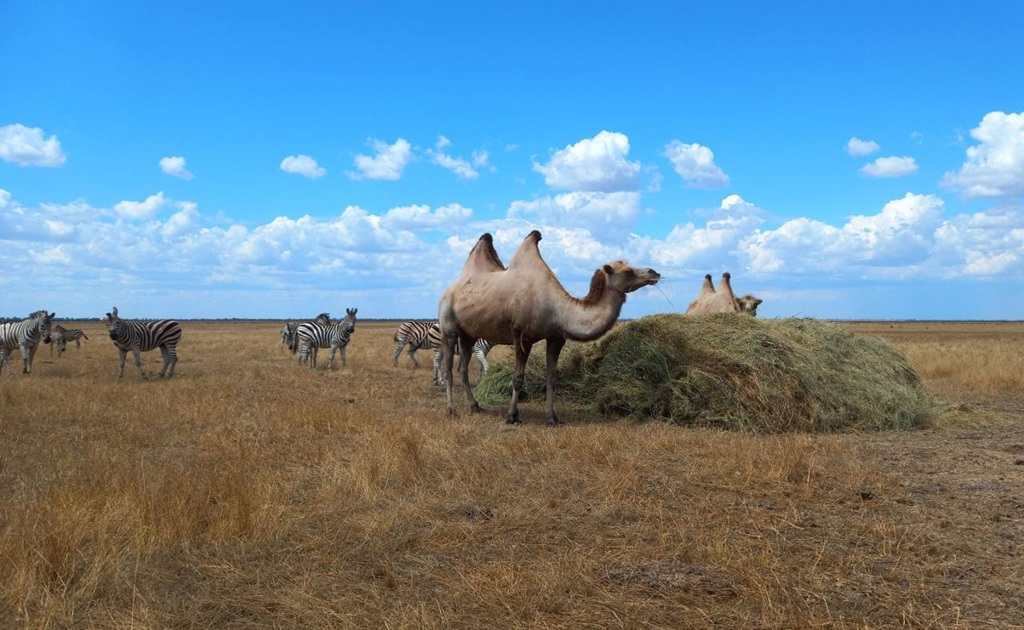
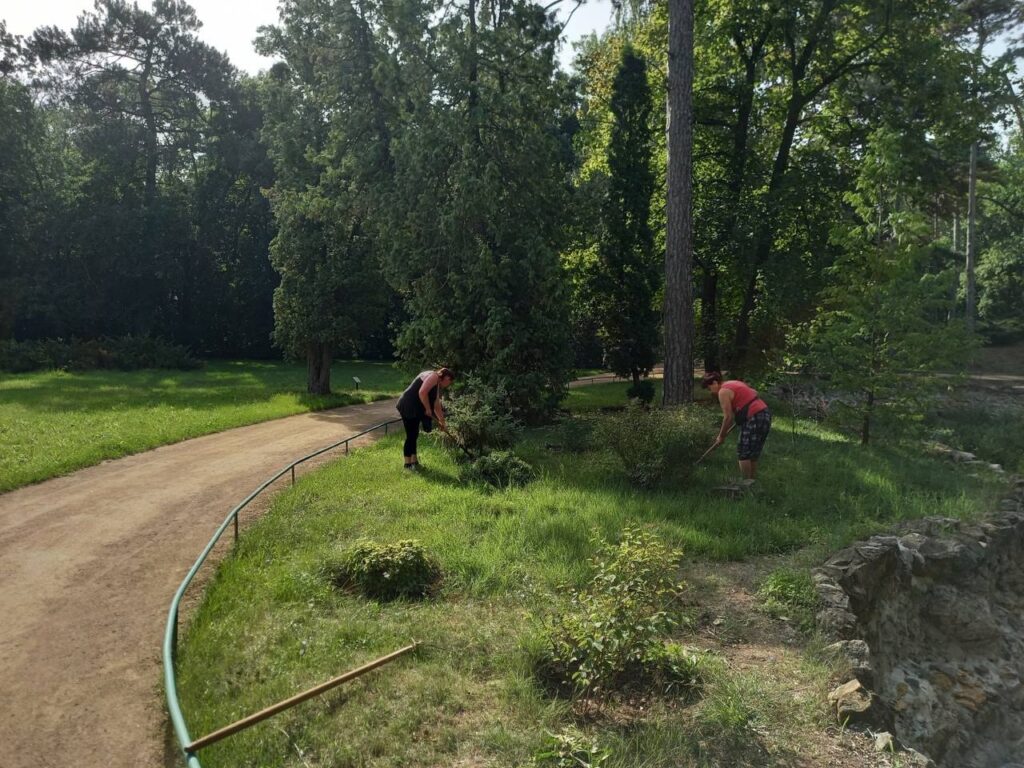
The story has since taken a new turn. A site has been found for the relocated Askania-Nova team in Ukraine’s steppe zone, with natural conditions similar to those of the reserve’s historic location. A new centre is already taking shape there, and conservation projects are being implemented. The reserve’s research field station in the Odesa Region is gradually becoming a hub for scientists and like-minded conservationists.
The experience of Askania-Nova offers an important lesson: supporting conservation institutions during wartime is not only about addressing immediate needs. It is an investment in preserving professional expertise, scientific knowledge, institutional capacity, and management experience. The Askania-Nova Biosphere Reserve has successfully passed the State Certification of Scientific Institutions, serves as the lead institution for the National Academy of Agrarian Sciences’ “Nature Conservation” Research Programme for 2026–2030, and continues to publish its peer-reviewed scientific journal, Proceedings of the Askania-Nova Biosphere Reserve.
This is why it is important to begin seeking similar solutions for other national parks and nature reserves that remain under occupation. Providing them with temporary operating sites in other regions of Ukraine would help preserve their teams and enable them to continue conservation work wherever it is currently possible. After deoccupation, these institutions would be able to return home without losing their capacity to function.
Preserving conservation institutions today is an investment in the recovery of Ukraine’s nature tomorrow.
Photo of Askania-Nova Director Viktor Shapoval, 2022.