
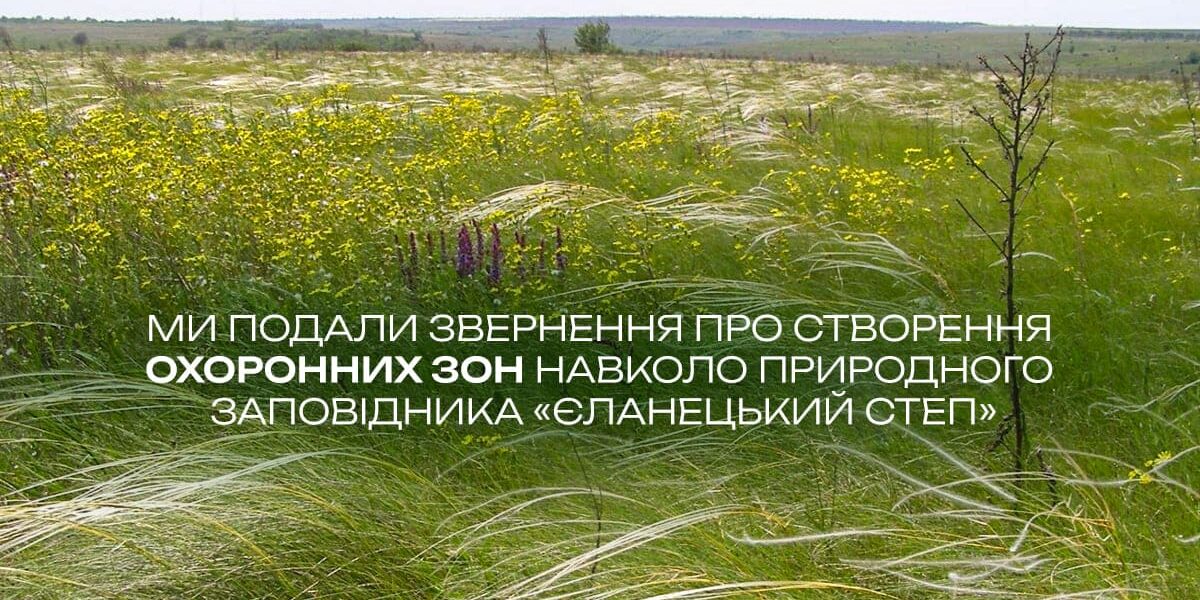
The Ukrainian Nature Conservation Group (UNCG) has petitioned the Mykolaiv Oblast Military Administration (OVA) (the regional government body) to establish eight Protection Zones (Okhoronni Zony) around the “Yelanetsky Step” Nature Reserve (Pryrodnyi Zapovidnyk “Yelanetsky Step”). These zones cover a total area of nearly 500 hectares.
Why Protection Zones Are Critical
This is a critically important step for three reasons:
- Species Conservation: To preserve species listed in the Red Data Book of Ukraine (the national list of threatened species).
- Habitat Protection: To protect important steppe habitats and species covered by the Bern Convention (Convention on the Conservation of European Wildlife and Natural Habitats).
- Preventing Degradation: To prevent the plowing (rozoriuvannia) of unique natural steppe areas that border the reserve.
We have been working with the reserve for nearly two years on the expansion of its boundaries. However, despite all efforts, there remains a real risk of losing these lands. They represent the last natural “outposts” or buffer areas surrounding the core reserve.
Threats from Local Authorities
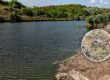
We are particularly concerned by the actions of the Sukhoielanetska Hromada (one of the local territorial communities), which is considering options for the privatization and plowing of parts of the steppe – despite existing water protection restrictions. The proposed lease sale of 7 hectares in the Linkina Gully (balka Linkina) is a clear example of local authorities ignoring environmental protection legislation.
The intentions of the Yelanetska Hromada are similar. Although most local council deputies support the expansion of the reserve, some village heads (starosty) believe they can violate the law and distribute parts of the virgin steppe for use, including plowing the bottoms of the gullies (ravines). These gully bottoms are explicitly designated as water protection zones even according to the national land cadastre.
Establishing these Protection Zones is the key to defending biodiversity and preventing illegal land encroachment and unsustainable practices.