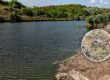

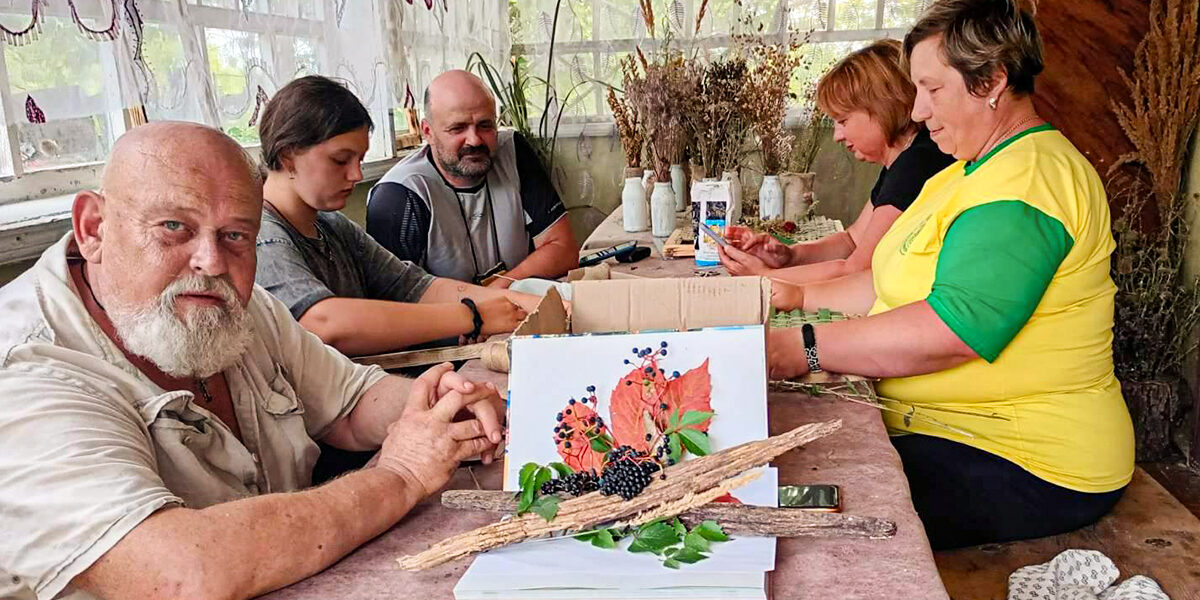
UNCG experts, who have extensive experience in building local support for protected natural areas, recently helped organize a scientific and practical seminar on “Fundamentals of Research and Public Engagement for the Preservation of Natural and Historical-Cultural Heritage” at “Kholodnyi Yar” National Nature Park from August 19-22.
The establishment of a national nature park in a region opens up new opportunities for community development. For example, the seminar showcased the “Shliakh” (“The Path”) network of information and recreation centers. This network was developed and implemented by UNCG as part of a UNDP project in the Chernihiv, Sumy, and Kharkiv regions.
The “Kholodnyi Yar” National Nature Park region has all the prerequisites for collaboration among educational and cultural institutions. Seminar participants were convinced of this after speaking with representatives from the Sumy region, including teachers Ivan and Larysa Diachenko from Hrynivskyi Lyceum and Ihor Dubenko, a researcher from the “Posullia” historical and cultural reserve.
The guests presented their findings and hosted a poster session, sharing information about the activities within the “Shliakh” network. This initiative has been years in the making and evolved from activities around the Desna Biosphere Reserve, which included biology schools for children, a biological collections festival, and cycling events.
This long-term cooperation gave rise to the “Shliakh” network. The model can be implemented significantly faster in “Kholodnyi Yar.”
During the seminar, a variety of events were held, including a plenary session, a commemoration of Petro Kalnyshevskyi (the last leader of the Zaporozhian Host), and ecological trail excursions with botanical research elements.
Participants also visited the rural green tourism centers “Hrusheve Selo” (“Pear Village”) and “Dukhmyana Oselya” (“Fragrant Home”), where they spent the night.
In collaboration with the administration of “Kholodnyi Yar” National Nature Park, we plan to organize similar events in the future. We continue our work to improve protected natural areas and, in doing so, foster community development.