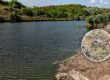


The State Inspectorate for Architecture and Urban Planning of Ukraine (DIAM) appears to support the destruction of the Runa Polonyna, a high-altitude Carpathian meadow. This is based on their official response to our complaint regarding construction on the site.
DIAM’s position is an alarming display of regulatory absurdity:
- A wind turbine foundation is a separate, independent structure, designed regardless of the wind power plant itself!
- Large-scale construction on high-mountain polonynas carries no risk of negative impact on the natural environment!
- Preserving valuable natural areas with dozens of protected flora and fauna species is not a right or legitimate interest of Ukrainian citizens!
Ignoring Environmental Law
Despite the fact that the wind farm foundations are being built on plots designated for the wind farm, based on a Detailed Territory Plan (DTP) developed for the wind farm, and according to parameters described in the wind farm’s Environmental Impact Assessment (EIA) report – DIAM officials claim the foundation is a completely separate, independent structure that is not subject to the mandatory EIA procedure.
If this logic holds, what else could possibly be built on a wind turbine foundation, which was designed according to wind turbine construction standards, other than a wind turbine itself? This reasoning suggests that the foundation for a nuclear power plant or a metallurgical factory could also be built as a separate, independent object without undergoing an EIA.
The commission members – Riabchynskyi A.M., Vinnyk O.Yu., Kalynovskyi Ye.A., Sudarenko D.V., and Bondarchuk O.V. – made this decision unanimously. They did so even while disregarding the position of the relevant competent authority responsible for environmental assessment, the Ministry of Environmental Protection and Natural Resources (Min dovkillia), which clearly explained why the construction of the foundations is an integral part of the wind farm and cannot proceed without the EIA procedure.
Undermining European Commitments
We do not know what motivated DIAM’s decision – whether it was unprofessionalism and unfamiliarity with environmental legislation, political agreements, or something else. However, compliance with the “Do No Significant Harm” (DNSH) principle is a direct European integration obligation for Ukraine, particularly relevant for energy projects seeking international financing.
In our opinion, it is now time for the Prosecutor’s Office to intervene in this case to protect the interests of the state and prevent irreversible damage to a valuable natural area.